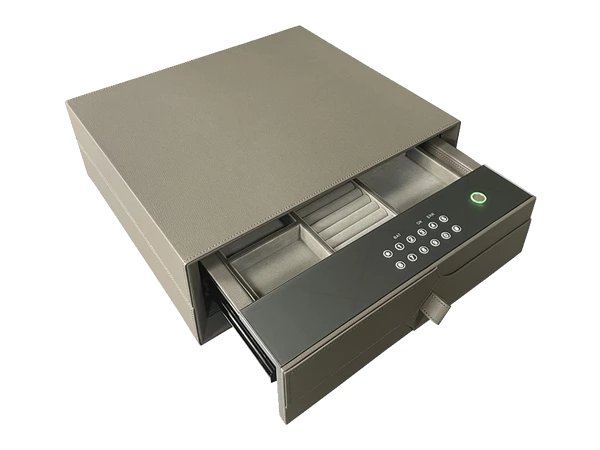
How a Malaysian Furniture Dealer Added Smart Safes to Custom Wardrobe Projects
For years, interior design and home security existed in two entirely separate spheres. Homeowners would spend thousands on beautifully crafted, custom-built cabinetry, only to realize at the last minute that they needed a place to store their valuables. The result? A heavy, unattractive steel box awkwardly shoved into the bottom of a pristine mahogany wardrobe, ruining the aesthetic and compromising convenience.
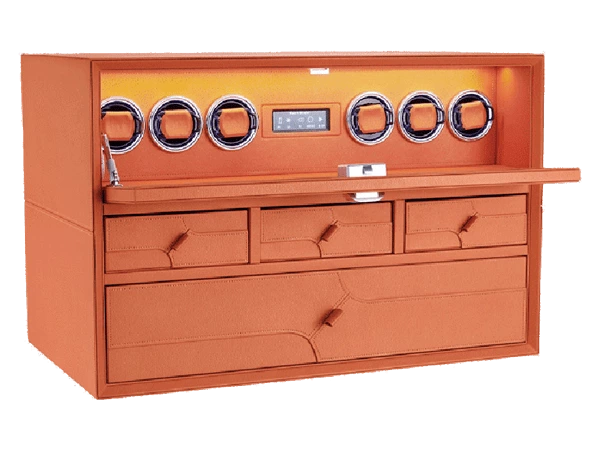
This was a recurring frustration for Aris, a high-end bespoke furniture dealer based in Kuala Lumpur, Malaysia. Specializing in luxury walk-in wardrobes, he noticed a significant shift in his clients’ requests. They didn’t just want beautiful shelves for designer handbags and custom racks for luxury watches; they demanded integrated, discreet, and highly advanced security.
Realizing the potential to revolutionize his custom builds, Aris partnered with security experts to seamlessly integrate high-tech home safes into his custom wardrobe projects. By transforming his cabinetry into holistic security solutions, he elevated his business and provided his clients with unparalleled peace of mind.
Here is how this Malaysian furniture dealer successfully merged the art of bespoke cabinetry with advanced smart safe storage, and what homeowners can learn from his innovative approach.

The Evolution from Steel Boxes to Smart Safe Storage
In the past, purchasing a safe meant sacrificing design for security. However, today’s homeowners are looking for a smart safe box that seamlessly blends into their daily routines. Aris quickly realized that traditional lock-and-key safes were no longer sufficient for his tech-savvy clientele.
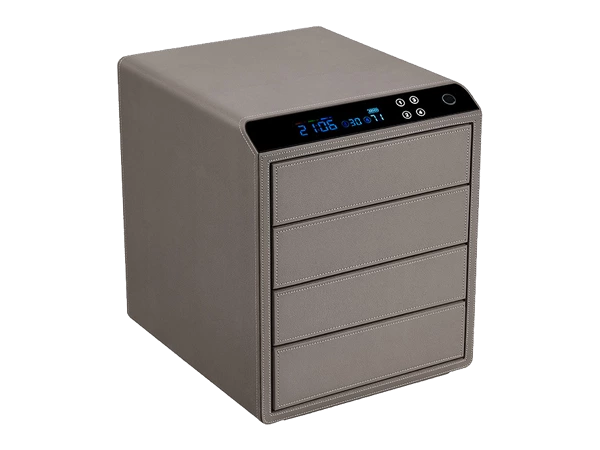
Instead, he introduced the concept of an in-home smart safe deposit system. These modern smart safes connect to a home’s Wi-Fi network, allowing users to monitor their valuables via smartphone apps. If the safe is tampered with, or if the door is left ajar, the owner receives an instant push notification.
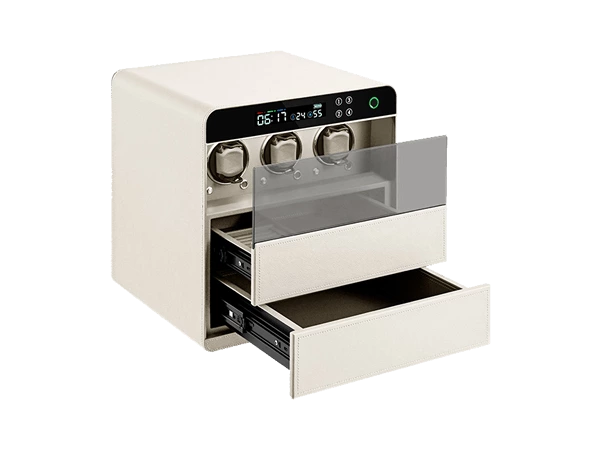
By integrating a home smart safe directly into the architectural blueprints of a wardrobe, Aris ensured that the security features felt like a natural extension of the furniture rather than an afterthought.
Actionable Takeaway:
- Plan early: If you are remodeling your bedroom or building a custom closet, incorporate your security needs into the initial design phase. This allows your carpenter to reinforce shelves, plan for hidden wire routing, and create flush mounts.
Decoding Lock Mechanisms for Wardrobe Safes
One of the most critical conversations Aris has with his clients revolves around access. A safe is only useful if the authorized user can open it quickly, while keeping unauthorized users firmly out. Understanding the nuances of different lock types is essential.
Biometric vs Keypad Locks for Security
When evaluating biometric vs keypad locks for security, Aris typically leans toward biometrics for master bedroom wardrobes. A biometric smart safe uses fingerprint or retina recognition, providing near-instantaneous access. This is particularly crucial in an emergency where fumbling with a code in the dark could waste precious seconds.
Keypads, on the other hand, are highly reliable and allow for multiple user codes, which is ideal if you need to grant temporary access to a trusted family member. Many modern units actually combine both, offering a hybrid approach to smart safe security.
Mechanical Dial vs Electronic Lock Reliability
Some traditionalists ask about mechanical dial vs electronic lock reliability. Mechanical dials are practically indestructible and do not rely on batteries, making them incredibly durable over decades. However, they are slow to open and require precise eyesight and steady hands. Electronic locks offer unparalleled speed and the ability to integrate into smart home ecosystems. For a modern, high-tech wardrobe project, electronic is almost always the preferred choice.
The Emergency Override Key Importance
No matter how advanced the technology is, batteries die and electronics can occasionally glitch. Aris consistently stresses the emergency override key importance to his clients. A physical backup key ensures you are never permanently locked out of your own valuables. However, this key must never be stored inside the wardrobe itself—it should be kept in a completely separate, secure locati0n, such as a bank deposit box.

Masterful Concealment: Size, Placement, and Strategy
The best security system is the one a burglar never finds. The beauty of custom furniture is the ability to engineer master-level concealment.
Where to Hide a Safe in a House
When advising clients on where to hide a safe in a house, Aris moves away from the obvious locations like the master bedroom floor. Instead, his wardrobe designs feature false back panels, secret compartments beneath shoe racks, and motorized panels that reveal the safe only when a specific hidden button is pressed.
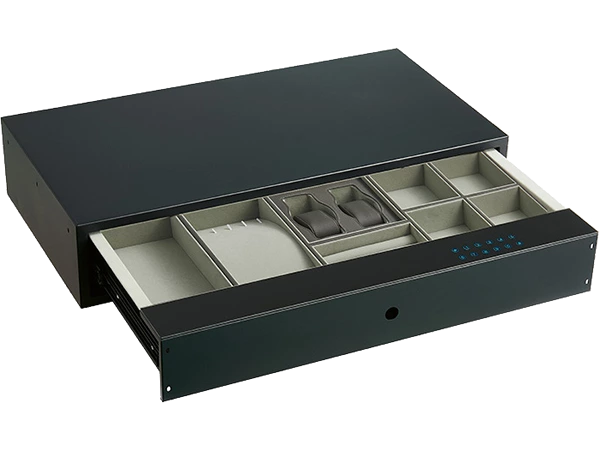
For clients with extensive accessory collections, Aris often designs small wall safes for jewelry. These are recessed between the wall studs directly behind a custom-built, full-length mirror inside the wardrobe. Because they sit flush with the wall, they take up zero floor space and remain completely invisible.
How to Choose the Right Safe Size
A common mistake homeowners make is buying a safe based solely on what they currently own. Aris teaches his clients how to choose the right safe size by using the "50% rule." Gather all the items you plan to secure—documents, cash, jewelry, hard drives—and calculate their volume. Then, buy a safe that is at least 50% larger than that calculation. You will inevitably acquire more valuables over time, and upgrading a built-in safe later is a costly and destructive process.
Complementary Security: While the primary wardrobe safe protects major assets, Aris also gifts his top-tier clients portable security boxes for travel. These small, tetherable lockboxes are perfect for securing passports and cash in hotel rooms, ensuring his clients’ valuables are protected even when they are away from their custom-built havens.
Securing the Investment: Anchoring is Non-Negotiable
A common misconception is that a heavy safe is a secure safe. In reality, a determined group of burglars with a dolly can quickly remove a safe weighing several hundred pounds if it is not bolted down.
When integrating safes into custom cabinetry, Aris’s installation team employs the best ways to bolt down a safe to ensure it becomes a permanent fixture of the house.
The Anchor Process
The installation always requires anchoring a safe to a concrete floor or a solid block wall. Securing a safe merely to the wooden base of a wardrobe is a critical security failure, as a burglar can simply pry the wood apart.
Steps for proper installation:
- Cutaway Design: The custom wardrobe is designed with a precise cutaway at the base, allowing the safe to sit directly on the home's concrete subfloor.
- Heavy-Duty Hardware: The team uses specialized concrete expansion anchors. Once drilled and tightened, these bolts expand inside the concrete, making it physically impossible to remove the safe without heavy industrial machinery.
- Seamless Finishing: After the safe is anchored securely to the foundation, the cabinetry team builds a false wooden floor around and over the bottom of the safe, maintaining the illusion that the safe is merely resting lightly on a wooden shelf.
Understanding Protection: Burglary and Fire Ratings
A safe is an investment in risk mitigation, but not all safes protect against the same risks. Aris spends significant time educating his clients on what their new investment can actually withstand.
Burglary Protection Ratings Explained
To ensure his clients’ insurance policies remain valid, Aris demystifies the technical jargon, getting into the details of burglary protection ratings explained. He introduces them to residential security container classifications (RSC).
- RSC Rating: An RSC-rated safe has been rigorously tested to withstand a vigorous five-minute attack by a professional using common tools like pry bars, hammers, and drills.
- B-Rate and C-Rate: For higher net-worth clients storing precious gems or large amounts of currency, he recommends stepping up to B-Rate or C-Rate safes, which feature thicker steel doors and bodies designed to withstand extensive drilling and cutting.
Safeguarding Against the Elements
Burglars aren't the only threat; fires and floods can be just as devastating. Therefore, understanding the UL rated fire protection duration is vital. A safe with a UL (Underwriters Laboratories) 1-hour fire rating guarantees that the internal temperature will not exceed 350°F (the point at which paper chars) for one hour while exposed to external temperatures of 1700°F.
However, standard fire safes are designed to protect paper, not delicate digital media or photographs, which degrade at lower temperatures. Furthermore, the steam generated by the safe's fire-retardant materials can destroy these sensitive items.
Pro Tip: To combat this, Aris incorporates a layered defense system. Inside the primary wardrobe safe, he advises clients to place a secondary waterproof fire resistant storage chest. Alternatively, for simple paperwork, he builds a separate concealed drawer designed specifically to house a specialized fireproof document box for home use. This ensures that birth certificates, property deeds, and family heirlooms survive both the flames and the fire department's water hoses.

Climate Control: Battling the Malaysian Humidity
Integrating a high-end safe into a closed wooden wardrobe in a tropical climate like Malaysia presents a unique, silent threat: humidity. Wood holds moisture, and closed steel boxes lack ventilation.
Without proper care, the interior of a safe can become a breeding ground for mildew, ruining leather watch straps, tarnishing jewelry, and degrading important documents. Therefore, a major part of Aris's post-installation consultation focuses on preventing moisture and mold in safes.
Actionable Maintenance Tips for Humid Environments:
- Desiccant Packs: Always keep large silica gel desiccant packs inside the safe and swap them out or recharge them every few months.
- Electric Dehumidifiers: For premium builds, Aris runs a concealed power outlet directly into the back of the safe to power a micro electric dehumidifier rod (often called a Goldenrod). This slightly elevates the internal temperature, circulating the air and preventing condensation.
- Regular Airing: Clients are advised to open their safes at least once every two weeks to allow fresh air to circulate, which also prevents the internal mechanical parts of the lock from stiffening.
Elevating Interior Design with Uncompromising Security
The days of viewing home security as an ugly, utilitarian necessity are over. The innovative approach taken by this Malaysian furniture dealer proves that luxury interior design and impenetrable security can—and should—coexist.
By understanding the nuances of smart technology, selecting the right locking mechanisms, mastering the art of concealment, and rigorously adhering to proper anchoring and environmental controls, you can protect your most prized possessions without sacrificing the beauty of your home.
Whether you are retrofitting an existing closet or designing a bespoke walk-in wardrobe from scratch, taking the time to seamlessly integrate your security solutions will ensure that your home remains both a beautiful sanctuary and a veritable fortress.