OEM Hidden Safe Solutions for Custom Wardrobes in Malaysia
A hidden safe works best when it is considered before the wardrobe or cabinet enters production.When a safe is added after the furniture has already been installed, the available space may be too small, the door may not open fully, or the cabinet may not have a suitable surface for secure anchoring. The installer may then need to cut panels, move shelves, or modify a finished piece of furniture.
For Malaysian wardrobe dealers, furniture manufacturers, cabinetry workshops, and interior contractors, an OEM hidden safe program offers a more practical approach.The safe can be selected or customized while the furniture drawings are still being prepared. Its dimensions, lock position, opening direction, internal storage, visible panel, mounting points, and maintenance access can be coordinated with the cabinet structure from the beginning.This allows the furniture partner to offer secure storage as part of the complete interior package rather than as an unrelated product added at the end.
A built-in safe can be used in:
- Walk-in wardrobes
- Bedroom cabinets
- Dressing tables
- Bedside units
- Nightstands
- Study cabinetry
- Living-room storage walls
- Hotel furniture
- Luxury apartment packages
- Private villa interiors
- Custom renovation projects
The final configuration depends on the furniture design, the items being stored, the preferred access method, and the level of customization required by the dealer.
OEM Hidden Safes for Malaysian Furniture Partners
Furniture buyers increasingly expect more than shelves, drawers, and hanging space.In master bedrooms and walk-in wardrobes, customers may also need a private place for jewelry, watches, cash, passports, documents, keys, access cards, and personal electronics. A visible freestanding safe can provide storage, but it may occupy valuable space and look separate from the room design.
A furniture-integrated safe provides another option.The safe body remains a dedicated security product, while the visible section can be coordinated with the wardrobe, cabinet, drawer, or bedside furniture. The result is a more consistent interior and a more convenient location for the owner.For dealers, this can become a configurable upgrade within a furniture package.
A wardrobe company may offer one or two repeatable safe sizes for standard bedroom collections. A bespoke furniture workshop may require different dimensions for each project. A distributor may want private-label packaging and its own model numbers. An interior contractor may need technical drawings for a single villa or hotel project.An OEM program should be flexible enough to support these different business models without treating every order as the same.
Who We Work With
Our hidden safe solutions are suitable for businesses that design, manufacture, supply, or install residential furniture and security products.
Typical partners include:
- Custom wardrobe dealers
- Furniture manufacturers
- Cabinetry workshops
- Joinery companies
- Interior design firms
- Design-and-build contractors
- Residential fit-out companies
- Renovation contractors
- Smart-home solution providers
- Safe distributors
- Security product dealers
- Hotel furniture suppliers
- Property developers
- Private-label brands
The most suitable cooperation model depends on whether the buyer needs a standard product, a modified configuration, a project-specific safe, or a repeatable private-label product line.
Why Add a Hidden Safe to Custom Furniture?
A hidden safe is not only an additional product. When it is planned correctly, it becomes part of the furniture function.
Add a Higher-Value Option to Furniture Packages
Wardrobe and bedroom-furniture packages often compete on materials, hardware, storage capacity, and appearance. A built-in safe gives dealers another feature that can be presented as an optional upgrade.
This is particularly relevant for:
- Master-bedroom packages
- Walk-in closet projects
- Luxury condominiums
- Private villas
- Boutique hotels
- Premium renovation projects
- High-end apartment developments
Keep Security Storage Close to Daily Use
Customers often prefer to store jewelry, watches, passports, and selected documents near the bedroom or dressing area.A well-positioned wardrobe or drawer safe keeps these items available without requiring a separate security room.
Preserve the Furniture Design
The visible section of the safe can be coordinated with wood veneer, painted panels, leather, microfiber leather, fabric, metal trim, or the surrounding hardware.This helps the safe look intentional rather than added later.
Reduce On-Site Modifications
When the safe dimensions and mounting requirements are confirmed before furniture production, the cabinet can be reinforced and prepared in advance.
This may reduce:
- Panel cutting on site
- Changes to completed cabinetry
- Door-clearance problems
- Weak mounting surfaces
- Misaligned furniture panels
- Unplanned wiring work
Support Private-Label Product Programs
Dealers and distributors may also develop repeatable safe configurations under their own brand, subject to model selection, order quantity, and customization requirements.
Hidden Safe Applications for Residential Furniture
Different furniture applications require different safe structures.The safe should be selected according to the available dimensions, storage needs, user routine, door movement, and installation conditions.
| Furniture Application | Recommended Safe Type | Typical Storage |
| Walk-In Wardrobe | Built-In Wardrobe Safe | Jewelry, Watches, Passports |
| Bedroom Cabinet | Hidden Cabinet Safe | Cash, Documents, Valuables |
| Bedside Unit | Compact Bedside Safe | Wallets, Keys, Daily Valuables |
| Dressing Table | Drawer Safe | Jewelry, Watches, Accessories |
| Study Cabinet | Document Safe | Contracts, Passports, Data Drives |
| Storage Wall | Larger Built-In Safe | Documents, Collectibles, Electronics |
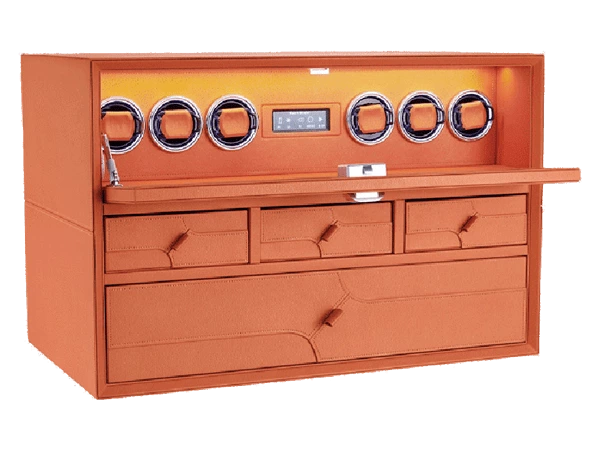
Built-In Wardrobe Safe
A built-in wardrobe safe is suitable for master bedrooms, walk-in closets, and dressing areas.
Depending on the wardrobe layout, it may be installed within:
- A reinforced cabinet section
- A shelf area
- A drawer module
- A wardrobe island
- A dedicated inner cabinet
- A full-height storage bay
The safe should not be placed loosely inside the furniture. The cabinet structure and available wall or floor connection must be reviewed before installation.
Typical storage may include:
- Jewelry
- Watches
- Cash
- Passports
- Personal documents
- Keys
- Access cards
- Small electronics
The final position and access arrangement should be coordinated privately between the dealer, furniture manufacturer, client, and installer.
Hidden Cabinet Safe
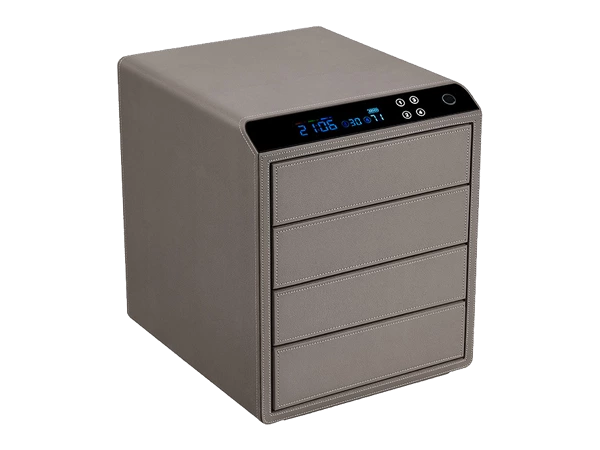
A hidden cabinet safe can be integrated into bedroom, study, living-room, or multipurpose cabinetry.This option is useful when the project does not include a large wardrobe or when the client wants secure storage in another part of the home.
A cabinet installation should consider:
- Clear internal width
- Available depth
- Safe-door clearance
- Cabinet-base strength
- Mounting surface
- Lock height
- Electrical access
- Future maintenance
A compact hidden cabinet safe may be suitable for passports and jewelry, while a larger model may accommodate document folders, electronics, or collectibles.
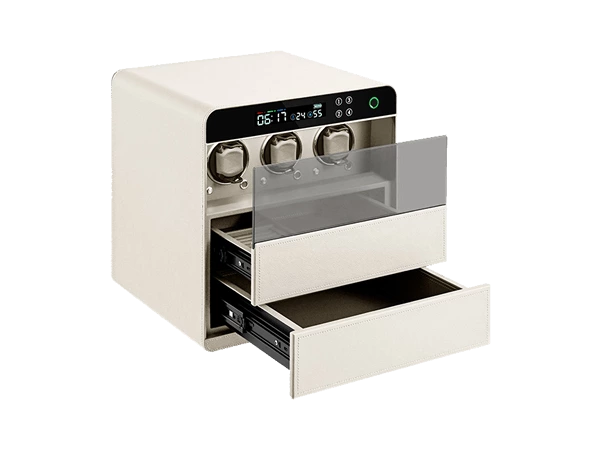
Hidden Bedside and Nightstand Safe
A hidden bedside or nightstand safe is designed for compact valuables that the owner may access regularly.
Typical items include:
- Watches
- Wallets
- Keys
- Passports
- Cash
- Small jewelry
- Access cards
- Personal documents
Bedside furniture often has limited internal depth, so the product should be selected carefully.
The safe must leave enough room for:
- Drawer rails
- Cabinet hardware
- Lock components
- Safe-door movement
- Electrical cables
- Mounting hardware
- Battery replacement
The installation height should also be comfortable for the user. A safe may fit inside a bedside cabinet but still be inconvenient if the fingerprint sensor or keypad is difficult to reach.
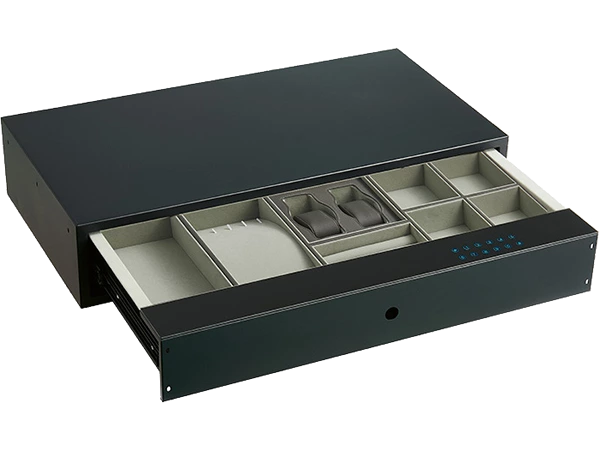
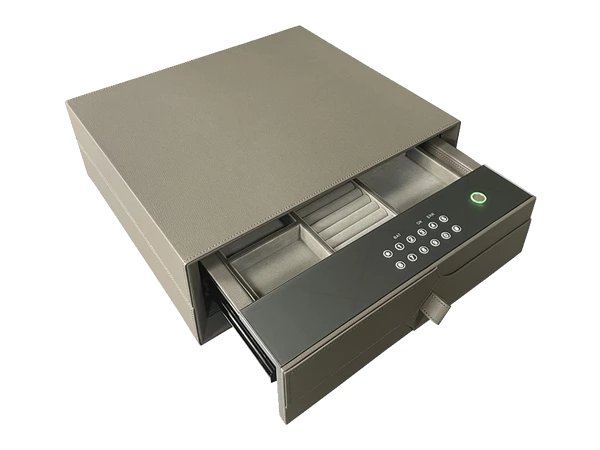
Drawer Safe for Dressing Tables and Wardrobes
A drawer safe offers a clear view of the stored contents and can be configured for jewelry, watches, cash, passports, and personal accessories.
Depending on the product structure, the interior may include:
- Watch cushions
- Ring slots
- Earring sections
- Necklace compartments
- Cash dividers
- Passport storage
- Removable jewelry trays
- Adjustable partitions
- Lockable internal sections
The rail system must support the combined weight of the steel safe body, interior fittings, and stored items.Furniture rails intended for an ordinary wooden drawer may not be suitable for a loaded steel safe drawer.
The project should confirm:
- Empty safe weight
- Expected loaded weight
- Rail load rating
- Full or partial extension
- Drawer-front alignment
- Side clearance
- Cabinet reinforcement
- Anti-removal mounting
Hidden Safe for Study and Home-Office Cabinets
Study cabinets may require secure storage for:
- Contracts
- Property documents
- Passports
- Data drives
- Access credentials
- Company records
- Keys
- Small electronic devices
A document-focused safe may need a different interior from a jewelry safe.Shelves, folders, and flat storage areas may be more important than small jewelry compartments. The document dimensions should be confirmed before the internal layout is approved.
Custom Lock and Access Options
The lock should match how the end user plans to access the safe.Available options may include the following, depending on the selected product model.
Fingerprint Lock
Fingerprint recognition provides convenient access for registered users.It is often selected for bedroom, wardrobe, drawer, and bedside safes that are opened regularly.
Fingerprint performance may be affected by:
- Dry skin
- Moisture
- Lotion
- Surface residue
- Finger placement
- Registration quality
- Sensor quality
A suitable backup method should therefore be considered.
Electronic Keypad
A digital keypad allows the user to enter a PIN.
Depending on the lock, functions may include:
- Multiple user codes
- Incorrect-entry lockout
- Low-battery warning
- Silent operation
- External emergency power
- Alarm functions
- Access records on selected systems
Fingerprint and PIN Access
A hybrid lock combines fingerprint recognition with a digital code.The fingerprint can be used for daily access, while the PIN remains available as a backup. Some systems may also support dual verification, subject to the lock specification.
Mechanical Lock
A mechanical key or combination lock may be suitable for customers who prefer a simpler system with fewer electronic components.
Connected Smart-Lock Functions
Compatible systems may support:
- Bluetooth access
- Wi-Fi through a gateway
- Mobile application control
- Access records
- User management
- Battery-status information
- Local or remote alerts
Connected features depend on the selected lock, application availability, connectivity method, software region, and account requirements.They should not be presented as standard across all products.
Emergency and Backup Access
Electronic and biometric systems should include an appropriate backup arrangement.
Depending on the product, this may include:
- PIN backup
- Emergency key
- External power interface
- Administrator access
- Secondary authorized user
Emergency keys should be stored separately from the safe and not left inside the same cabinet.Available fingerprint, alarm, access-record, and emergency-opening functions must be confirmed for the selected model.
Interior Storage for Jewelry, Watches, and Documents
A custom hidden safe should be organized around the items the customer actually owns.A general-purpose empty compartment may be suitable for documents, but it is less practical for jewelry and watches.
Available interior options may include:
Watch Storage
- Individual watch cushions
- Removable watch rolls
- Compartments for larger watches
- Spare-strap storage
- Watch accessory sections
- Multiple watch trays
Jewelry Storage
- Ring channels
- Earring compartments
- Necklace sections
- Bracelet dividers
- Soft-lined jewelry trays
- Covered storage areas
- Adjustable partitions
Cash and Document Storage
- Cash dividers
- Passport sections
- Document shelves
- Removable folders
- Full-width drawers
- Lockable inner storage
General Valuables Storage
- Key compartments
- Data-drive storage
- Access-card sections
- Small-electronics areas
- Adjustable shelves
The number and size of compartments should be based on the internal dimensions and the customer’s collection.
Interior Materials
Available lining materials may include:
- Microfiber fabric
- Suede-effect material
- Velvet-style fabric
- Leather-effect surfaces
- Padded dividers
- Soft-touch trays
- Removable fabric-covered inserts
Typical colors may include:
- Warm beige
- Light gray
- Charcoal
- Dark brown
- Cream
- Muted blue
- Custom colors subject to material availability
Material selection should consider appearance, cleaning, durability, and long-term wear.Very light materials may show marks more easily, while highly textured surfaces may require more frequent cleaning.
Furniture Integration and Finish Matching
The visible part of the safe can be coordinated with the surrounding furniture.
Possible finishes include:
- Wood veneer
- Painted furniture panels
- Genuine leather where specified
- Microfiber leather
- Fabric-covered surfaces
- Brushed metal trim
- Decorative stitching
- Custom handles
- Handle-free fronts
- Coordinated drawer panels
For accurate matching, the dealer should provide:
- Physical material samples
- Paint codes
- Veneer references
- Leather swatches
- Hardware samples
- Approved drawings
- High-resolution photographs
Digital images alone may not show the precise tone, grain, texture, or gloss level.
The exterior panel should also be designed so that it does not interfere with:
- Lock operation
- Safe-door movement
- Emergency access
- Anchoring
- Ventilation
- Battery replacement
- Future servicing
OEM and Private-Label Customization
OEM cooperation may involve more than adding a logo.The required level of customization depends on the product model, order quantity, project type, and dealer program.
Product Customization
Available product modifications may include:
- Safe dimensions
- Door-opening direction
- Cabinet or drawer structure
- Lock system
- Interior layout
- Jewelry trays
- Watch compartments
- Document storage
- Exterior panel
- Interior lighting
- Mounting configuration
Custom dimensions must be evaluated carefully because changing the external size may affect:
- Lock position
- Bolt structure
- Door strength
- Interior capacity
- Product weight
- Production tooling
- Certification
- Packaging
Branding Options
Subject to the selected model and order quantity, branding options may include:
- Logo badge
- Logo plate
- Laser marking
- Printed branding
- Custom control-panel branding
- Product labels
- Customized model numbers
- Barcodes
- Branded user manuals
- Private-label cartons
- Dealer-specific packaging
All branding content should be approved before mass production.
Dealer-Specific Product Configuration
Dealers may require repeatable configurations for standard furniture packages.
For example, a wardrobe dealer may establish:
- One compact wardrobe safe
- One drawer-style jewelry safe
- One bedside safe
- One larger cabinet safe
Using repeatable models can simplify:
- Quotation
- Furniture planning
- Sales training
- Spare-parts management
- Installation
- After-sales support
Exclusive configurations may be discussed according to order volume, product type, tooling requirements, and market arrangement.
Technical Coordination with Wardrobe Manufacturers
Furniture integration requires accurate dimensions.External wardrobe measurements alone are not sufficient because internal hardware reduces the usable space.
Before confirming a built-in safe, the dealer should provide:
- Clear internal cabinet width
- Clear internal cabinet height
- Available cabinet depth
- Safe-door opening clearance
- Furniture-door and hinge positions
- Shelf and drawer locations
- Cabinet-base thickness
- Structural mounting surface
- Electrical access where required
- Ventilation allowance
- Battery-maintenance space
- Surrounding hardware positions
The safe manufacturer and furniture workshop should review the drawings before production.
This is particularly important when the safe includes:
- A furniture-matched door panel
- Full-extension drawer rails
- Internal lighting
- App-connected locks
- Heavy steel construction
- Multiple internal drawers
Safe Weight and Furniture Reinforcement
The cabinet must support the safe’s empty weight as well as the expected contents.
The project should consider:
- Safe-body weight
- Loaded weight
- Cabinet-frame strength
- Shelf deflection
- Drawer-rail rating
- Wall or floor connection
- Mounting-hole positions
- Load distribution
Thin MDF, decorative back panels, and unsupported shelves should not be treated as the only fixing surface.
The furniture may require:
- Reinforced base panels
- Hardwood blocks
- Steel backing plates
- Structural framing
- Wall connection
- Floor anchoring
The final installation method depends on the safe and the actual site structure.
Secure Mounting
A compact safe should not function as a removable lockbox.Where possible, it should be anchored through the manufacturer’s approved fixing points to a suitable structural surface.
Potential mounting surfaces include:
- Reinforced furniture frame
- Structural wall
- Concrete wall
- Concrete floor
- Steel backing plate
- Hardwood reinforcement
- A combination of furniture and building structure
The installation team should confirm:
- Fastener type
- Mounting depth
- Existing electrical or plumbing services
- Safe-door clearance
- Furniture-panel protection
- Access to bolts
- Maintenance requirements
Detailed client placement and concealment information should remain private.
Physical Security Features
Depending on the selected safe model, physical security features may include:
- Reinforced steel body
- Strengthened door
- Anti-pry edges
- Concealed or protected hinges
- Multi-point locking bolts
- Tamper-resistant lock mounting
- Secure anchoring holes
- Incorrect-entry lockout
- Alarm functions on compatible models
- Lockable internal compartment
Where a certified burglary or fire rating is required, the corresponding tested model must be selected.Furniture integration, fingerprint access, or app functions do not create a certified security rating.Claims such as “theft-proof,” “impossible to open,” or “bank-level security” should not be used without supporting test documentation.
Lighting and Electrical Planning
Optional internal lighting may be added where the product structure allows.
Available options may include:
- Battery-powered LED lighting
- Door-activated lighting
- Drawer-activated lighting
- Low-voltage wired lighting
- Rechargeable lighting modules
The lighting should not interfere with shelves, jewelry trays, locking bolts, or emergency access.
Where the safe includes a connected lock or wired lighting, the furniture drawings should allow for:
- Cable routing
- Power access
- Gateway location where required
- Battery replacement
- Service access
Moisture Management
Enclosed cabinetry may have limited airflow.For safes used to store jewelry, watches, leather goods, documents, or electronics, routine moisture management may be considered.
Options may include:
- Rechargeable desiccant packs
- Sealed document sleeves
- Anti-tarnish strips
- Removable moisture-control containers
- Small ventilation allowances
- Regular humidity checks
- Compatible low-power dehumidifying equipment
These measures help manage everyday humidity but do not make an uncertified safe waterproof.Fire resistance, water resistance, and humidity control should be treated as separate requirements.
A Practical OEM Cooperation Process
A clear process helps reduce misunderstandings between the safe manufacturer, dealer, furniture workshop, and installer.
Step 1: Requirement Review
The dealer provides information such as:
- Target market
- Intended furniture application
- Required safe type
- Lock preference
- Interior-storage requirements
- Branding needs
- Estimated quantity
- Delivery destination
- Expected schedule
Step 2: Model and Solution Matching
A suitable standard or customizable model is selected based on:
- Available dimensions
- Furniture structure
- Required capacity
- Access method
- Product weight
- Installation conditions
- Budget
Step 3: Sample Evaluation
Where available, a sample can be used to evaluate:
- Product dimensions
- Lock operation
- Furniture compatibility
- Interior layout
- Finish quality
- Packaging
- Installation requirements
Sample availability, sample cost, and lead time depend on the model and customization level.
Step 4: Technical Drawing Confirmation
The safe dimensions, opening direction, lock position, mounting points, internal layout, and furniture relationship are shown for approval.The furniture manufacturer should review the final drawing before cabinet production.
Step 5: OEM and Branding Confirmation
The dealer confirms:
- Logo
- Product labels
- Model number
- User manual
- Carton artwork
- Barcode
- Interior color
- Exterior finish
- Packaging requirements
Step 6: Pre-Production Approval
A pre-production sample or confirmed specification may be required for customized orders.The approval process depends on the product complexity and order quantity.
Step 7: Mass Production
Production begins according to the confirmed specification, quantity, and schedule.
Step 8: Quality Inspection
Inspection may include:
- Safe-body dimensions
- Door alignment
- Lock operation
- Fingerprint or keypad function
- Emergency access
- Locking-bolt movement
- Interior tray fit
- Surface finish
- Logo placement
- Lighting
- Battery access
- Packaging condition
Step 9: Packaging and Shipping
Packaging is selected according to:
- Safe dimensions
- Product weight
- Exterior finish
- Transport method
- Dealer requirements
- Destination in Malaysia
Heavy safes may require reinforced cartons, foam protection, wooden cases, or palletized packaging.
Step 10: Installation and After-Sales Support
Depending on the project, technical support may include:
- Product dimension drawings
- Mounting-hole information
- Furniture-integration suggestions
- Lock instructions
- User manuals
- Spare-part guidance
- Installation references
The final installation must be completed according to the local site structure and applicable requirements.
MOQ, Samples, and Lead Time
MOQ should be confirmed according to:
- Safe model
- Lock system
- Custom dimensions
- Interior configuration
- Logo method
- Packaging requirements
- Tooling requirements
- Order quantity
A standard product with a simple logo may have different order requirements from a fully customized safe with new dimensions and private-label packaging.
Sample and production lead times also depend on:
- Material availability
- Lock availability
- Custom tooling
- Drawing approval
- Sample confirmation
- Order quantity
- Packaging
- Shipping method
Exact MOQ, sample cost, lead time, and customization charges should be stated in the quotation rather than presented as one fixed rule for every product.
Quality and Compliance Information
Dealers may request documentation related to:
- Lock system
- Electrical components
- Battery specification
- Alarm functions
- Product materials
- Security testing
- Fire testing
- Packaging
- Export requirements
Only certifications and test results that apply to the selected product model should be used in sales materials.A certification issued for one model should not automatically be applied to a different customized structure.
Dealer Sales and Project Support
An OEM supplier may support dealers with materials such as:
- Product specifications
- Technical drawings
- Installation diagrams
- Product photographs
- Interior-layout references
- Lock instructions
- User manuals
- Packaging files
- Sales presentation materials
- Spare-part lists
- After-sales guidance
Available support should be confirmed during the project discussion.
Suitable Residential and Commercial Projects
OEM hidden safes may be supplied for:
- Private villas
- Condominiums
- Urban apartments
- Walk-in wardrobes
- Master-bedroom furniture
- Luxury residential developments
- Boutique hotels
- Serviced apartments
- Executive residences
- Custom renovation projects
- Furniture showrooms
- Developer upgrade packages
The selected safe should match the intended application, expected access frequency, available structure, and required storage capacity.
Why Work with an OEM Hidden Safe Manufacturer?
Working directly with a manufacturer allows the safe and furniture to be planned together.
Potential advantages include:
- Custom size evaluation
- Lock-system selection
- Interior-layout planning
- Furniture-panel coordination
- Branding and packaging
- Repeatable dealer models
- Technical drawing support
- Mounting guidance
- Sample evaluation
- Export packaging
- Spare-part coordination
- Private-label production
Early technical communication can reduce dimensional conflicts and avoid unnecessary changes after the furniture has been completed.
Pricing and Quotation Requirements
The cost of an OEM hidden safe depends on the final specification.
Main pricing factors include:
- Safe dimensions
- Steel-body construction
- Door structure
- Lock system
- Connected functions
- Interior layout
- Jewelry and watch trays
- Exterior furniture panel
- Lighting
- Security or fire rating
- Logo and branding
- Packaging
- Order quantity
- Tooling requirements
- Delivery destination
To prepare an accurate quotation, dealers should provide:
- Company and target market
- Intended application
- Furniture drawings
- Clear internal dimensions
- Preferred lock
- Interior-storage requirements
- Exterior-finish reference
- Branding requirements
- Packaging requirements
- Estimated quantity
- Delivery location in Malaysia
- Expected order schedule
Frequently Asked Questions
What types of furniture can include an OEM hidden safe?
Hidden safes may be integrated into wardrobes, bedroom cabinets, dressing tables, drawers, bedside units, nightstands, study cabinets, storage walls, and selected hotel furniture.
Can the safe dimensions be customized?
Custom dimensions may be available after technical evaluation. The lock, door structure, internal capacity, mounting points, order quantity, and manufacturing requirements must be considered.
Which locking systems are available?
Depending on the model, available options may include fingerprint recognition, electronic keypad, fingerprint and PIN access, mechanical locks, emergency keys, and external emergency power.
Can the safe interior be customized for jewelry and watches?
Yes. Available options may include watch cushions, ring slots, necklace sections, jewelry trays, cash dividers, passport areas, and document storage.
Can the visible safe panel match the furniture?
The visible panel may be coordinated with wood veneer, painted cabinetry, leather, microfiber leather, fabric, metal trim, or selected hardware, subject to the product structure.
Do you provide private-label branding?
Private-label options may include logo badges, laser marking, product labels, model numbers, user manuals, barcodes, cartons, and customized packaging.
What is the MOQ for OEM orders?
MOQ depends on the product model, lock system, customization level, branding method, packaging, and tooling requirements. It should be confirmed in the quotation.
Can dealers order a sample before mass production?
Sample availability depends on the selected model and customization. Standard samples or customized samples may have different costs and lead times.
Do you provide installation drawings?
Product drawings, mounting information, and furniture-integration references may be provided according to the project and selected model.
How should a hidden safe be anchored?
The safe may be anchored to a reinforced cabinet frame, structural wall, concrete floor, steel backing plate, or a combination of suitable surfaces. The final method depends on the site structure.
Are app-controlled smart locks available?
Connected functions may be available on compatible models. App availability, Bluetooth or Wi-Fi connection, gateway requirements, user management, and remote functions should be confirmed before ordering.
Can the safe be described as fireproof?
Only products with relevant and verifiable fire testing should be described as fire-rated or fireproof. The applicable model, standard, and protection duration must be confirmed.
Can you supply hidden safes to Malaysia?
Yes. OEM production, private-label packaging, export preparation, and shipping coordination can be discussed for Malaysian wardrobe dealers, furniture manufacturers, contractors, and distributors.
Request an OEM Hidden Safe Quotation
Adding a hidden safe to a furniture package requires more than selecting a small metal box.The safe dimensions, lock, door movement, internal layout, furniture structure, mounting method, finish, and maintenance access all need to work together.For Malaysian wardrobe dealers and furniture manufacturers, planning these details before production can lead to a cleaner installation and a more useful product for the end customer.Please provide your furniture drawings, available dimensions, preferred lock system, interior-storage requirements, branding needs, estimated quantity, and delivery destination.Our team will review the information and recommend a suitable OEM hidden safe configuration for your wardrobe, cabinet, bedside furniture, drawer, or residential interior project in Malaysia.